Customers rate us


Deliver to
Austria
 English
£
changeWatering might not be the most exciting task, but it's absolutely essential. Every houseplant needs water to survive. From cacti and succulents to lush jungle plants like banana plants and bird of paradise. Water is crucial for plants to absorb nutrients.
Ironically, overwatering is often the reason houseplants don't make it. Too much water leads to root rot, which can eventually kill the plant.
These plants are thirsty and prefer moist soil. Especially in summer, their soil can dry out quickly, which isn't great for them. They usually have large, long, or thick roots and often come from tropical areas with heavy rainfall.
These plants thrive in slightly moist soil. It's important that the top layer dries out between waterings, while the lower soil remains moist. Overwatering can lead to root rot, so make sure the topsoil is dry before watering again.
These plants are tough when it comes to water and prefer dry soil between waterings. They can go weeks without water, and even months in winter. How often they need water depends on factors like root type, light exposure, and size.


Water needs vary depending on the plant. Tropical plants like banana plants generally need more water, while succulents like aloe vera need less. Larger plants usually require more water than smaller ones.
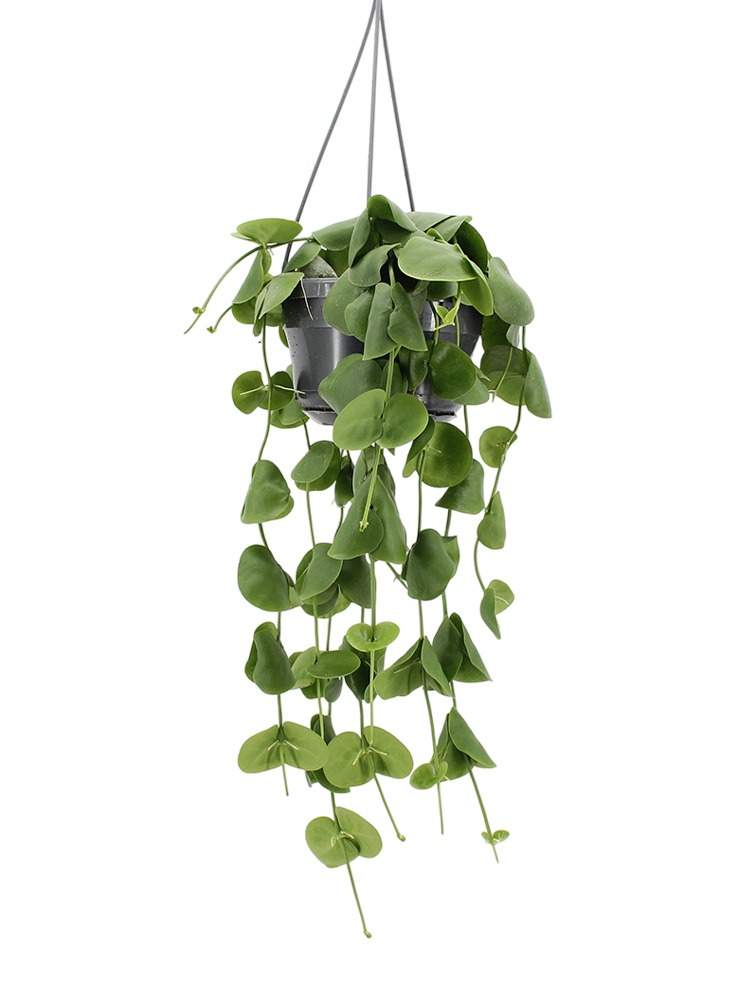
The type of plant affects water needs, but so does its placement. Hanging plants like an aloe vera have the same water needs as potted ones, but watering them can be trickier. It's best to take them down to water, avoiding water on the leaves and ensuring even watering.
The pot affects water needs too. Terracotta pots with saucers retain moisture longer than plastic pots. Smaller pots dry out faster due to less soil volume.
Fresh soil often needs more frequent watering than old soil, which can compact and hinder drainage. Overwatering in compacted soil can lead to root rot. Using hydro granules can help retain moisture.
Plants in sunny spots need more water than those in shade. Sunlight increases evaporation, so adjust watering accordingly.
Plants generally need more water in spring and summer and less in autumn and winter when they go dormant. Succulents and hardy plants can often go up to two months without water in colder seasons.
Both can lower humidity and dry out soil faster. This also affects the leaves, which can wilt in low humidity. Balance the effects of AC and heating on your plant's water needs.
A water meter is a handy tool to measure soil moisture. It consists of a plastic tube with a foam float and a gauge stick. When in contact with water, the foam floats, moving the gauge stick up to show how much water is in the soil. This helps you know when to water your plant.
Water meters come in various lengths, from 12 cm to 120 cm, depending on your needs and pot size.
A water meter with vulcastrat is especially useful during holidays. Vulcastrat is a type of gravel that can absorb 30 to 40 cm of water, releasing it gradually to the plant and preventing overwatering. It's commonly used for hydroponic plants.