Customers rate us



Deliver to
Belgium
 English
£
change
Houseplants are fun to look at, brighten up a space and are good for your health. Still, a houseplant can be very dangerous for your cat or dog!
How do you know which houseplants are poisonous, and what should you do if your cat has given you that poisonous plant?
First of all, it’s good to know when your cat has ventured into poisonous houseplants. In most cases your cat will vomit and get diarrhea. In that case your cat probably also suffers from severe abdominal pain. When your cat suffers from abdominal pain you will notice this in most cases because of the lack of appetite.
Besides the situations mentioned above, the following symptoms can also occur:
You did your best to hide that houseplant from your cat, but to no avail. Do you have several (poisonous) houseplants? Try to find out from which houseplant your cat ate. You can usually see this directly from the bitten leaf.
In all cases always call the vet immediately. Are you in doubt? Let the vet know. In most cases you can come by for a short check. Is it urgent? Ask your veterinarian to call the RIVM.


Yes, you read that well! You are responsible for which houseplants you take in your house. Whether this is an air-purifying plant or a plant for the bathroom, the danger is always lurking. When in doubt, you’d better leave the houseplant.
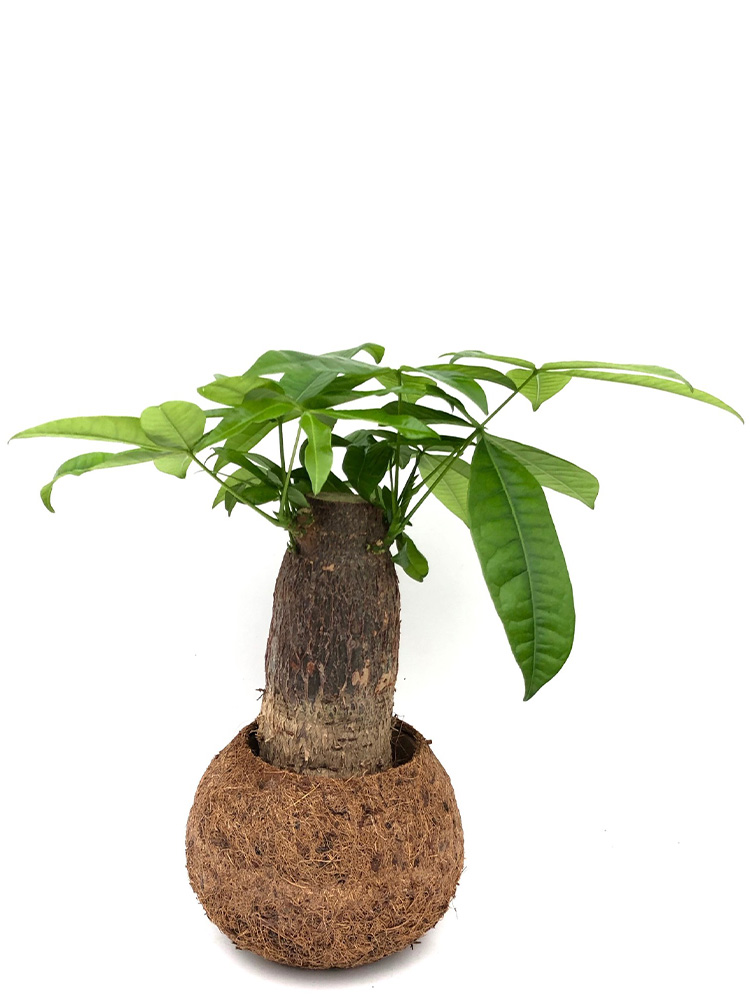
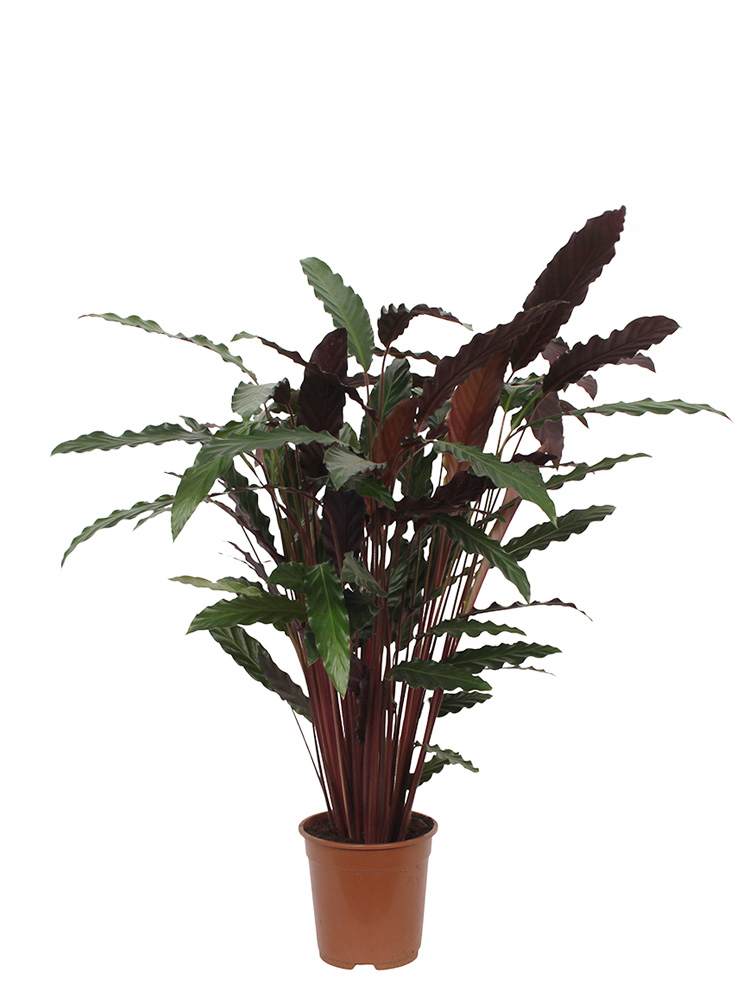
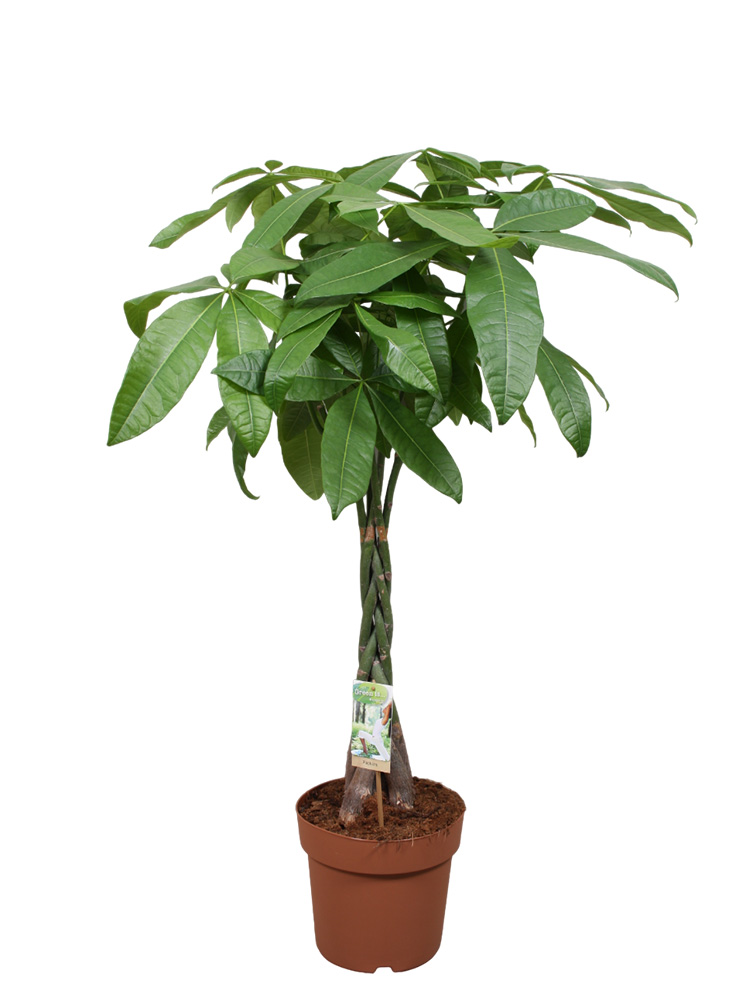
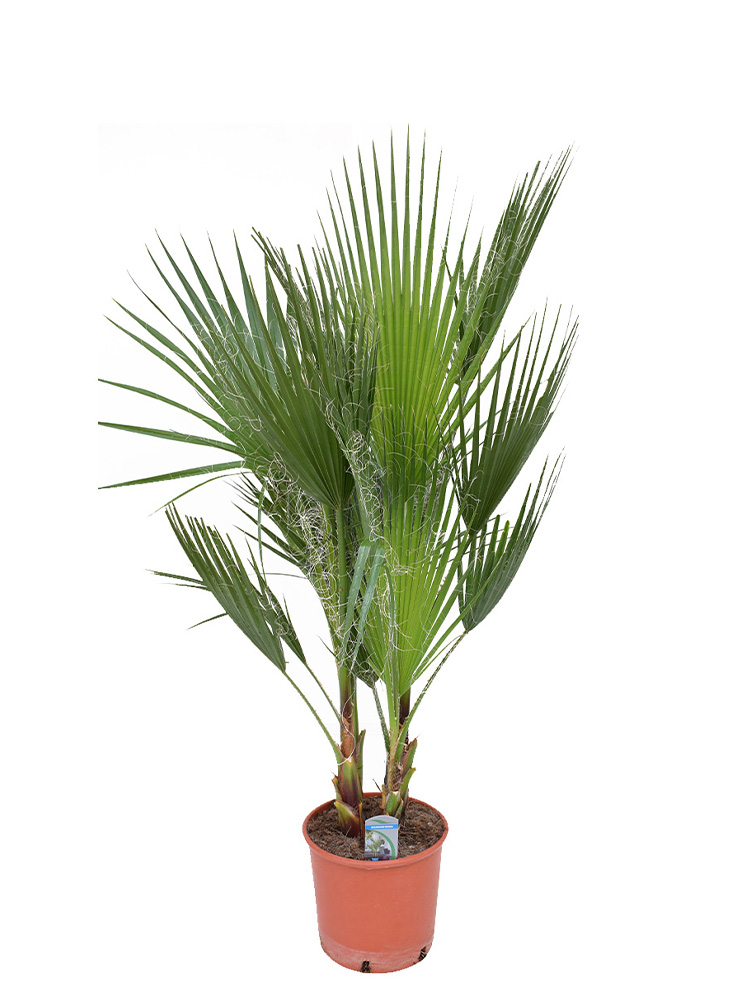
In principle, all houseplants are dangerous for your cat. Do you want to bring houseplants into your house? Then make a responsible and thoughtful choice! Think for example of the following plants, these are the least dangerous for your cat:
Besides the least poisonous houseplants, there are also houseplants that pose a great danger to your cats. These are the very poisonous houseplants:
Want to see the complete list? Take a look at the brochure of Huisdieren.nu. Or do you have doubts about your own houseplants? We are happy to help you get rid of your uncertainty!