Customers rate us



Deliver to
Belgium
 English
£
change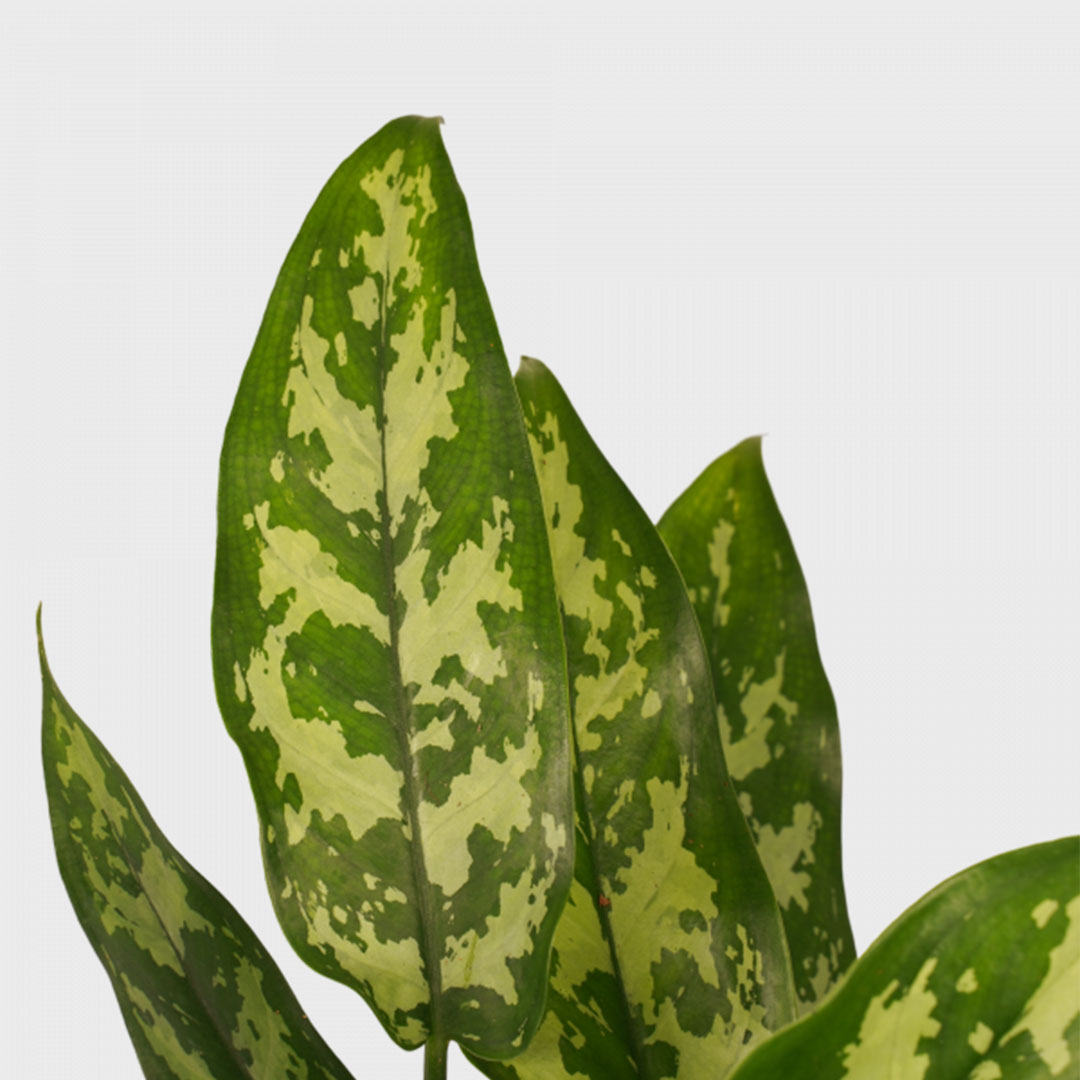
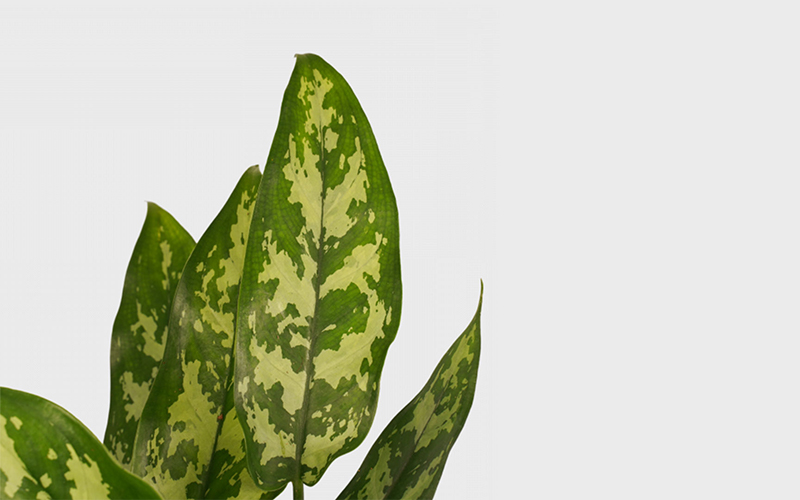
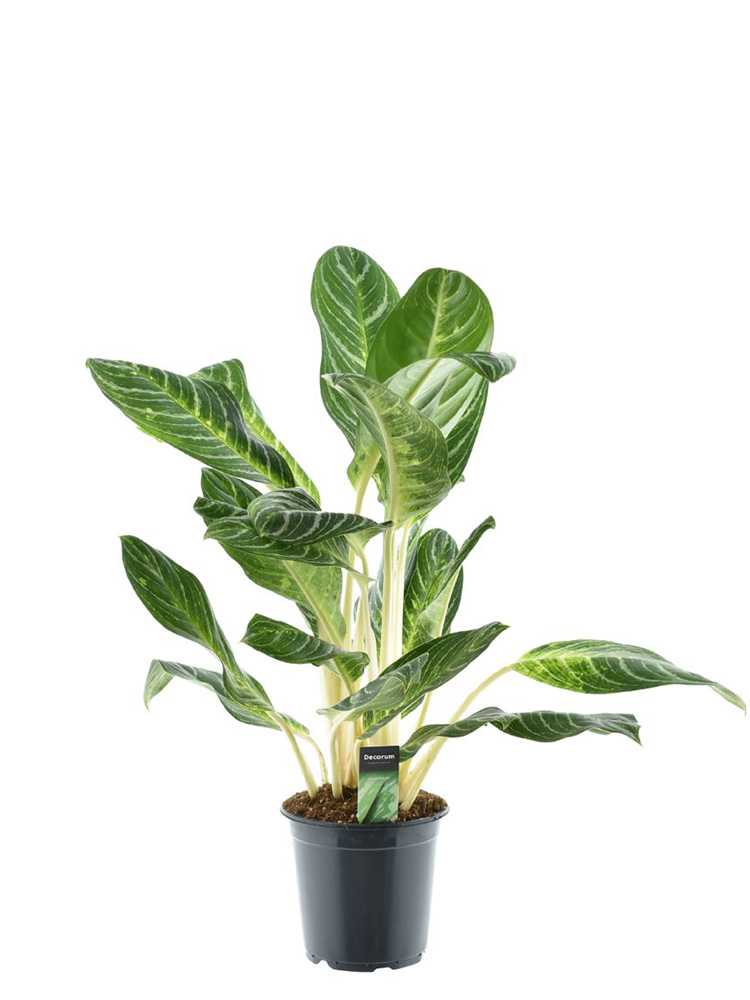
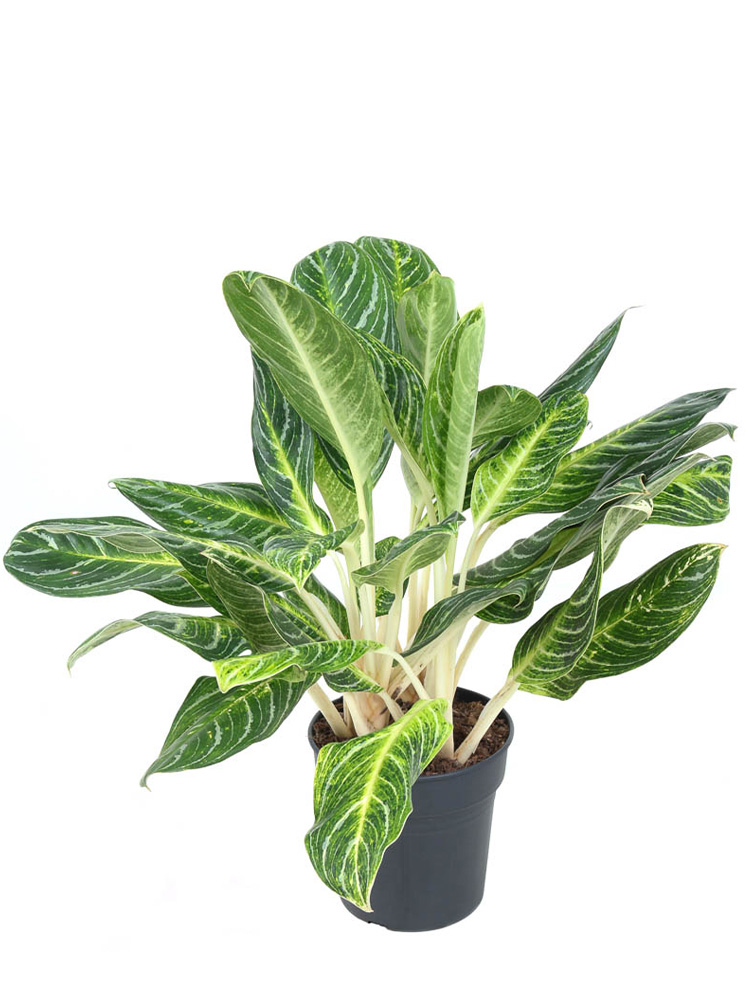
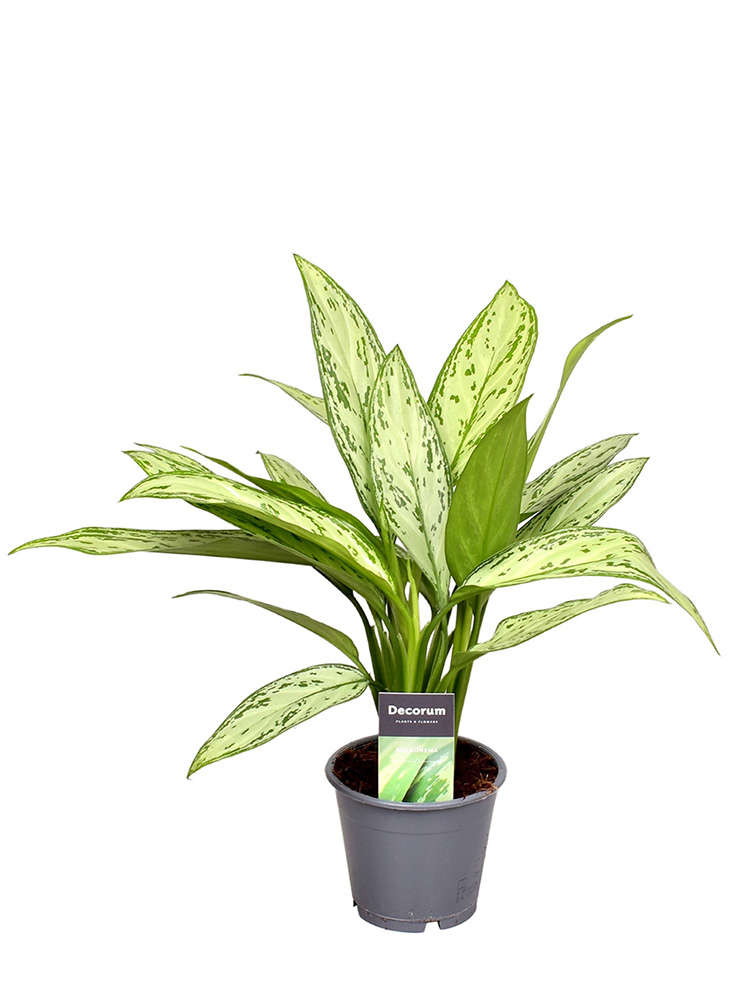
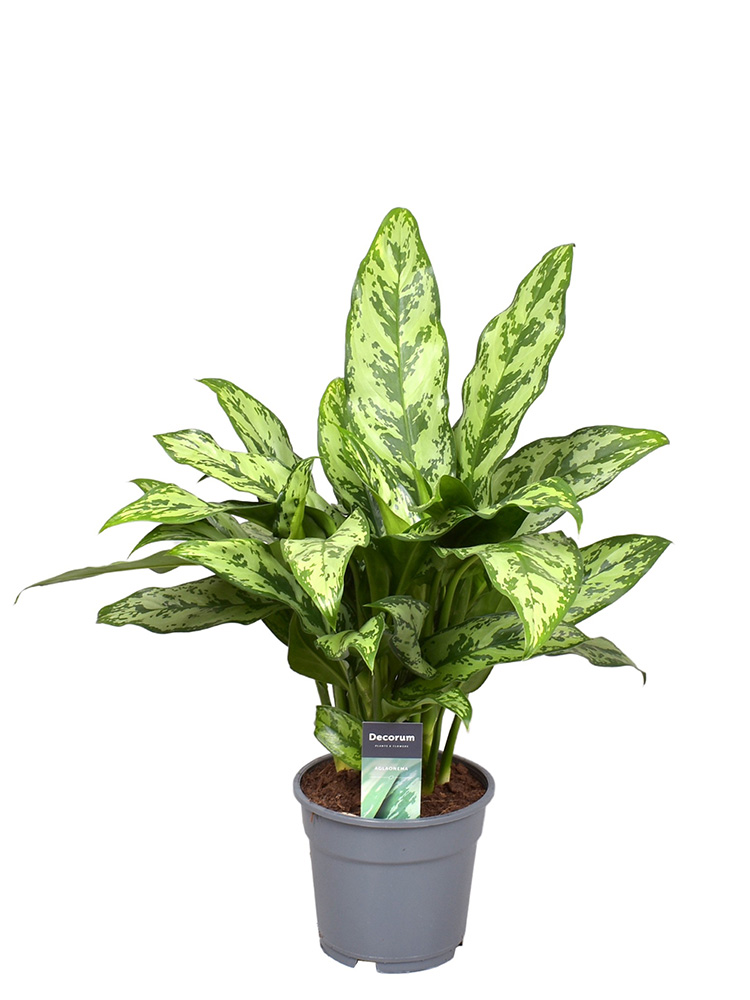
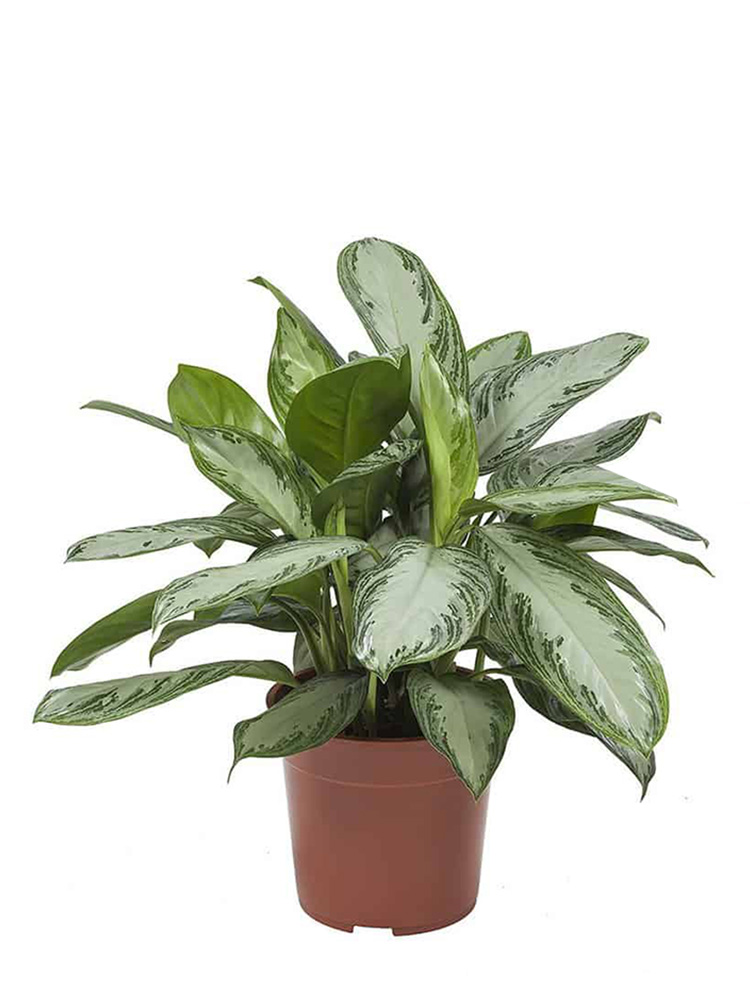
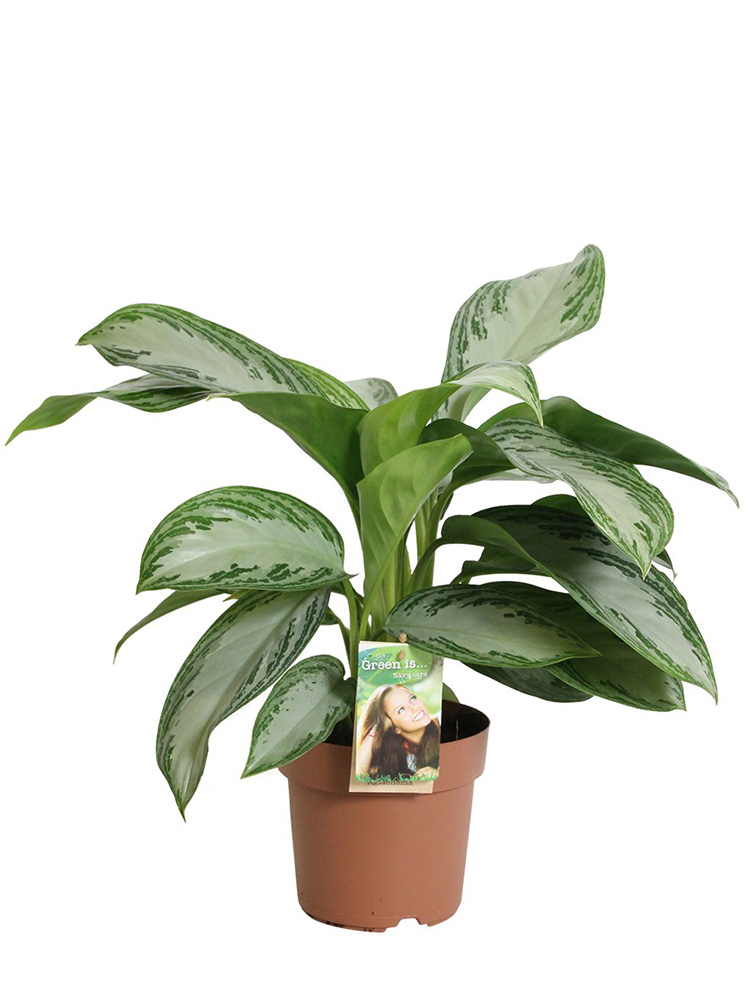
The Aglaonema is a perfect bathroom plant. They love a humid environment and like to be positioned in dark places. Taking care of the Aglaonema is not standard. You need to get to know the plant, so you don't have to worry about anything.
You can recognize an Aglaonema, just like the Calathea and Maranta, by their remarkable leaf drawings.
Supplies
First clean the knife you might be using.
Keep the knife under hot water and clean them well. This prevents you from unnecessarily transferring bacteria during the propagation.
Do you happen to have disinfectant or pure alcohol? Disinfect the tools after using the hot water. Let's get away with those bacteria and fungi!
Lay down an old towel.
Remove the Algaonema from the pot. Shake the plant above the pot to loosen the old soil. Remove as much soil around the roots as possible.
Before you start tearing the mother plant in seperate plants, it is wise to consider how many plants you would like to have. Keep in mind that the cuttings should have their own roots.
Carefully tear the mother plant apart in seperate plants.
Isn’t tearing the plant in seperate plants easy? Its then best to get the knife and cut the root ball apart, instead of damaging the roots with your hands.
Place the cuttings in a pot with fresh potting soil. Pour a little water around the cutting, so that the soil is slightly moist.
After about a month the roots will have recovered, and growth may be visible. Although it can also take longer for growth to appear. Especially when it’s winter, growth may not occur for a while. Be careful with too much watering to prevent root rot.