Customers rate us



Deliver to
Germany
 English
£
change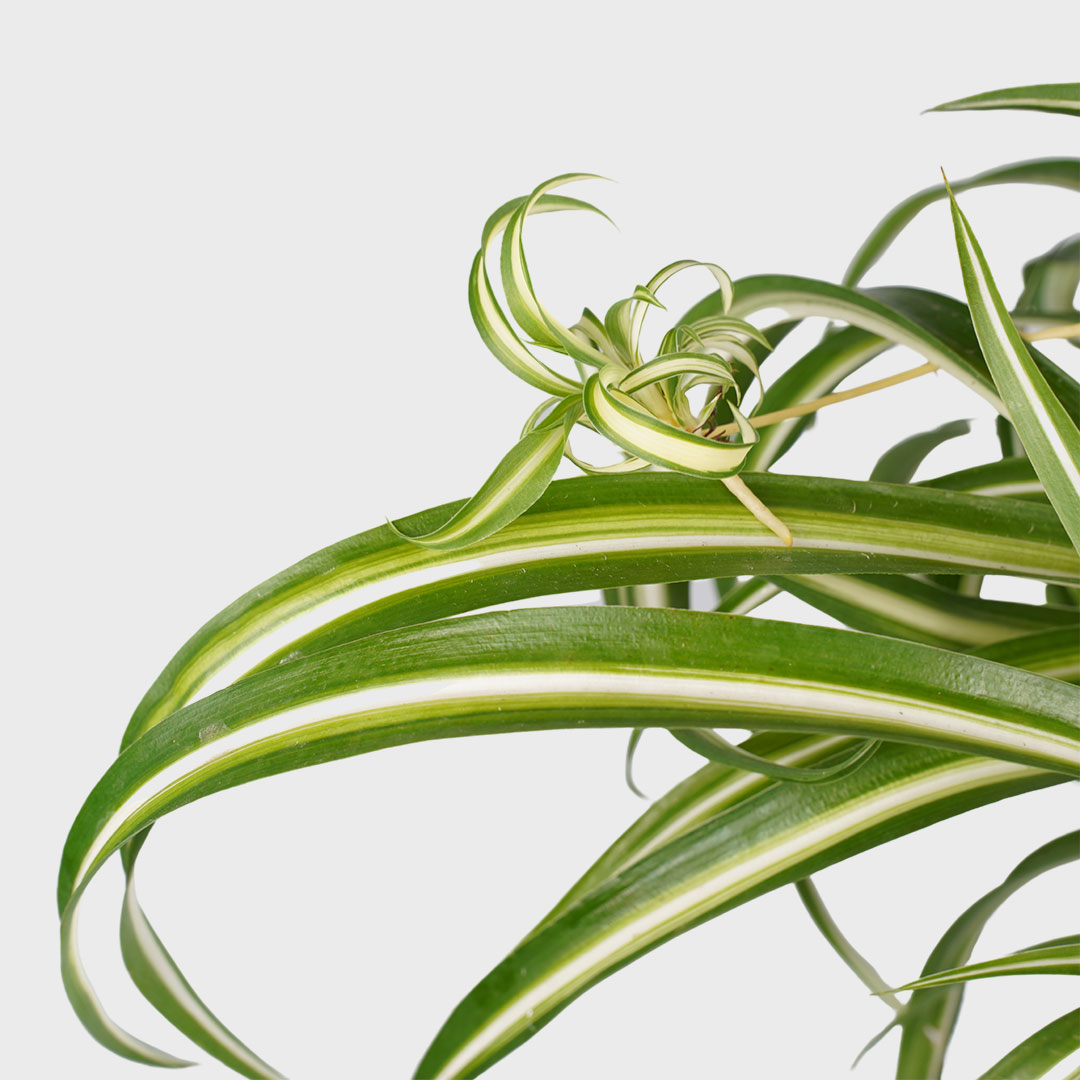
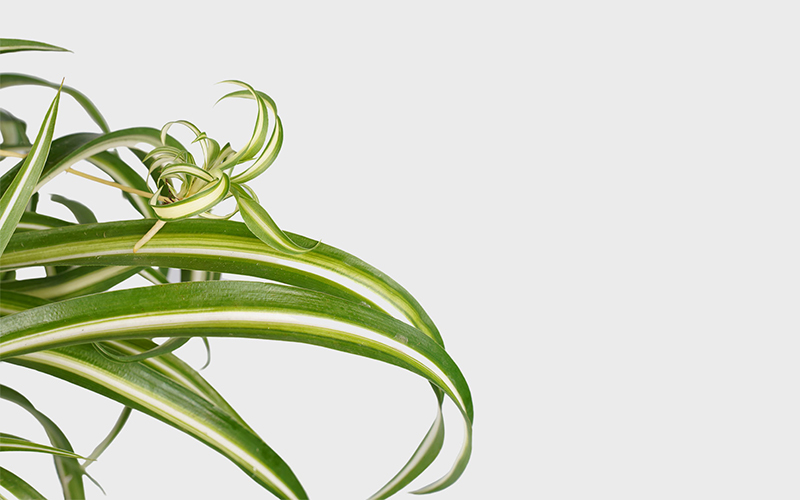
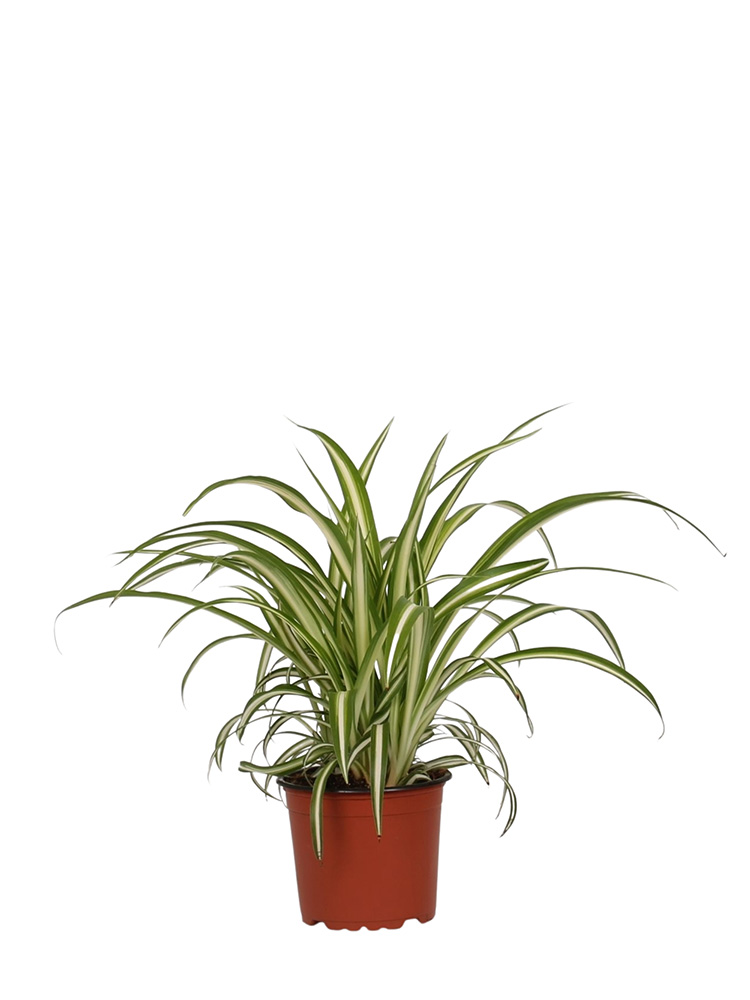
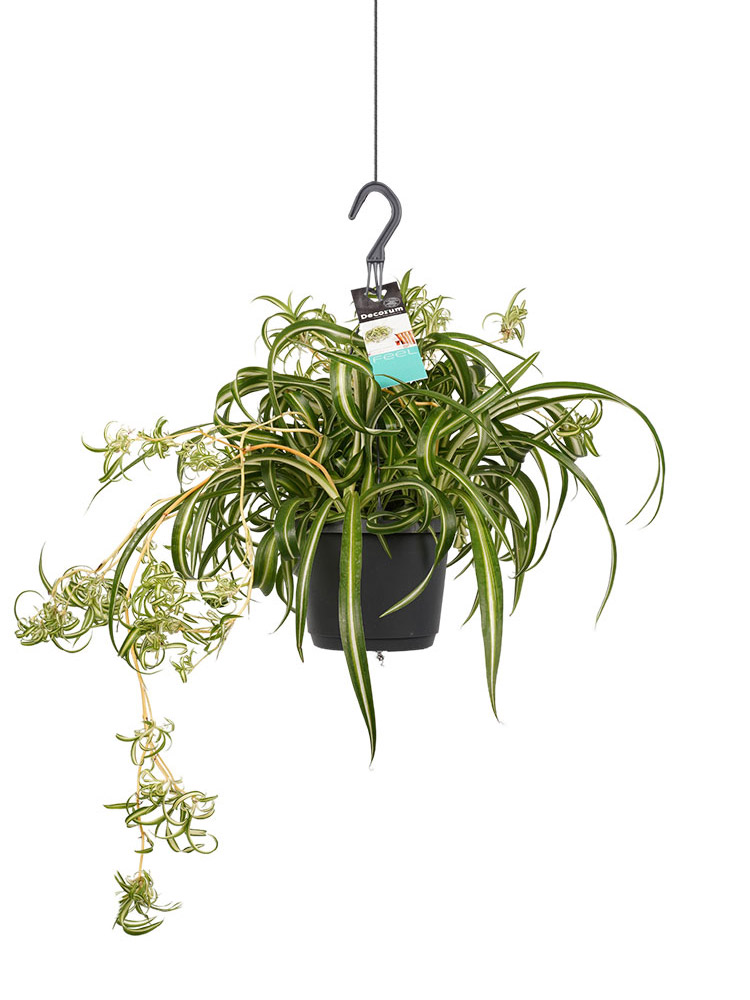
A Spider plant, or Chlorophytum, is a very easy plant to propagate. From spring until summer it is possible that the plant will grow small white flowers. The flowers provide not only cheerfulness, but also pups.
Leave these pups attached to the mother plant for a month or so. This way you can be sure that the pups have some roots.
Supplies
First clean the scissors you might be using.
Keep the scissors under hot water and clean them well. This prevents you from unnecessarily transferring bacteria during the propagation.
Do you happen to have disinfectant or pure alcohol? Disinfect the tools after using hot water. Let's get away with those bacteria and fungi!
First of all, clean the scissors. You can use alcohol or disinfectant so that the scissors are well disinfected. Scissors clean? Then it’s time to propagate!
Carefully cut off the young pups from the mother plant. Pay close attention to the roots of the young pups. Try to protect them as much as possible. This way you avoid damaged roots.
Do you happen to have rooting hormone at home? Then you can apply the rooting hormone to the ‘open wound’ of the cutting. Let the powder dry well!
Don’t have any rooting hormone? No problem. You can also easily propagate without. Although the use ofrooting hormone can stimulate root growth. So it is an interesting option to consider.
Place the cutting in a vase with water. Make sure that no leaves are touching the water.
If there are leaves that are touching the water, make sure to cut them off. If you let the leaves touch the water the can rot.
After 2-4 weeks roots will develop. If the roots are around 5 cm you can move the cutting from water to soil.