Customers rate us




Deliver to
Europe
 English
£
changeIn nature, plants have found all kinds of clever ways to survive and grow in different environments. One of those tricks is growing aerial roots.
But what exactly are aerial roots? Which plants have them, and why do they grow that way? In this blog, we’ll explain what aerial roots are, why plants produce them and how to care for them.
Aerial roots, also called above-ground roots, are special roots that grow in the air instead of underground. Unlike normal roots that grow into the soil, these roots develop above the surface, often out of the stem or along a climbing vine.
Depending on the plant and its environment, aerial roots can serve different purposes. Instead of taking up nutrients from the soil, some absorb moisture from the air or help the plant anchor and climb.
Aerial roots are completely natural. Plants have developed them as a way to adapt to their surroundings. Some common reasons include:
In rainforests, the ground can be overcrowded with roots and plants. So some plants grow on other trees and use their aerial roots to take in moisture and nutrients from the air.
Plants that grow on other plants or trees often use aerial roots to anchor themselves and support their growth.
Aerial roots can help the plant absorb or store moisture when there’s not much water around.
Climbing plants like Monstera and Philodendron use aerial roots to latch onto surfaces and grow upwards.
Aerial roots can appear on many different types of plants, but they’re especially common on epiphytes and air plants. Here are some popular examples:
Orchids
Bromeliads
Ferns
Air plants (Tillandsia)
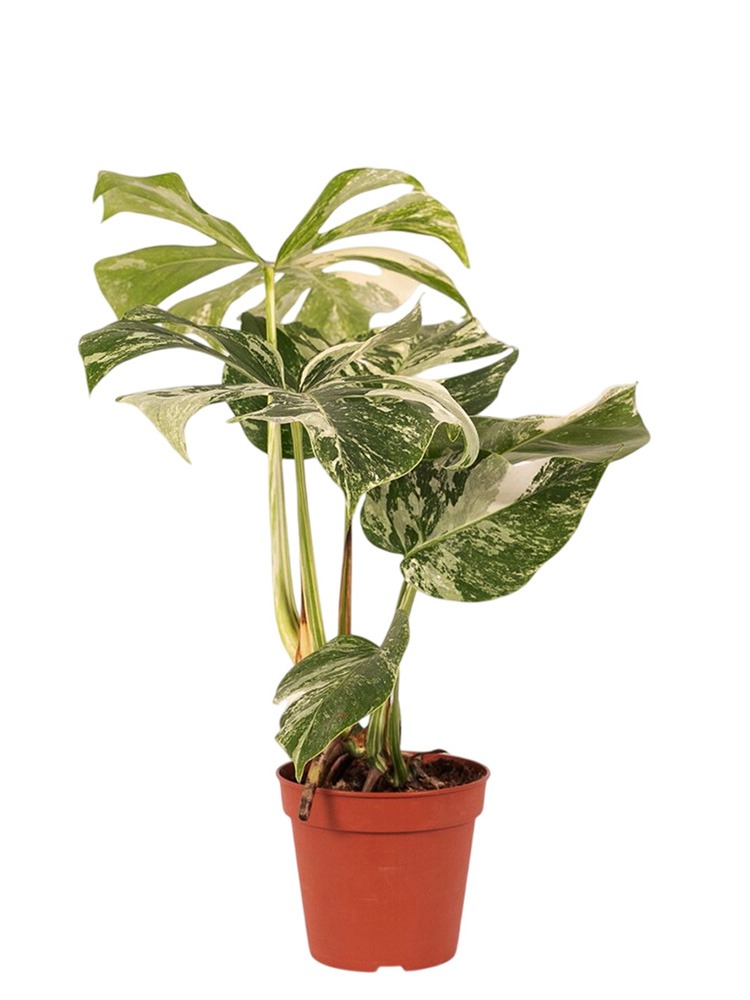
Monstera
Philodendron
Spotted roots suddenly growing out of the stem or sides of your plant? That’s completely normal. No need to cut them off. You can just leave them as they are or gently guide them towards the potting soil if you want them to keep growing into it.
Plants with aerial roots often appreciate slightly different care. Here are a few tips:
Keep humidity up: Place your plant in a more humid space like a bathroom, or use a humidifier. Aerial roots love moisture in the air.
Spray regularly: Light misting is great, especially for orchids and air plants.
Don’t bury them: Aerial roots are meant to grow above the soil. Don’t push them underground unless you’re propagating.
In most cases, there’s no need to cut aerial roots. They’re not harmful at all. For plants like Monstera, they’re even helpful because they offer support and help take up extra nutrients.
If you really don’t like how they look or they’re getting too long, you can trim them. Just make sure to use a clean and sharp knife or pair of scissors.
Planning to propagate your plant? Aerial roots can actually make propagation easier. A cutting with aerial roots often grows new roots more quickly and easily.
Aerial roots are a fascinating feature that help plants adapt to all kinds of environments. Whether you’re a plant lover or just curious about nature, it’s worth taking a closer look at how your houseplant’s aerial roots grow.