Customers rate us



Deliver to
Europe
 English
£
change
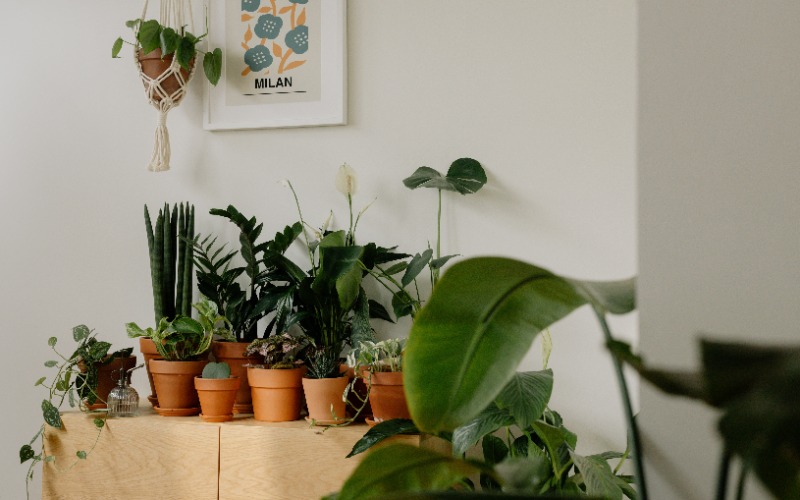
If you buy an indoor plant, the main pitch is inside. Although there are some plants that can live both as indoor and outdoor plants. The period in which you can move a plant from inside to outside is almost only the summer. After the summer the nights soon cool down, which can cause damage to roots.
Do you happen to have plants that can be used indoors as well as outdoors? Then don’t put them outside in direct sunlight. Let the plant get used to its new temporary location. Start with a cloudy day and build up to more and more sun and warmth. Good to know: if the plant is outside in full sun, it also needs more water.
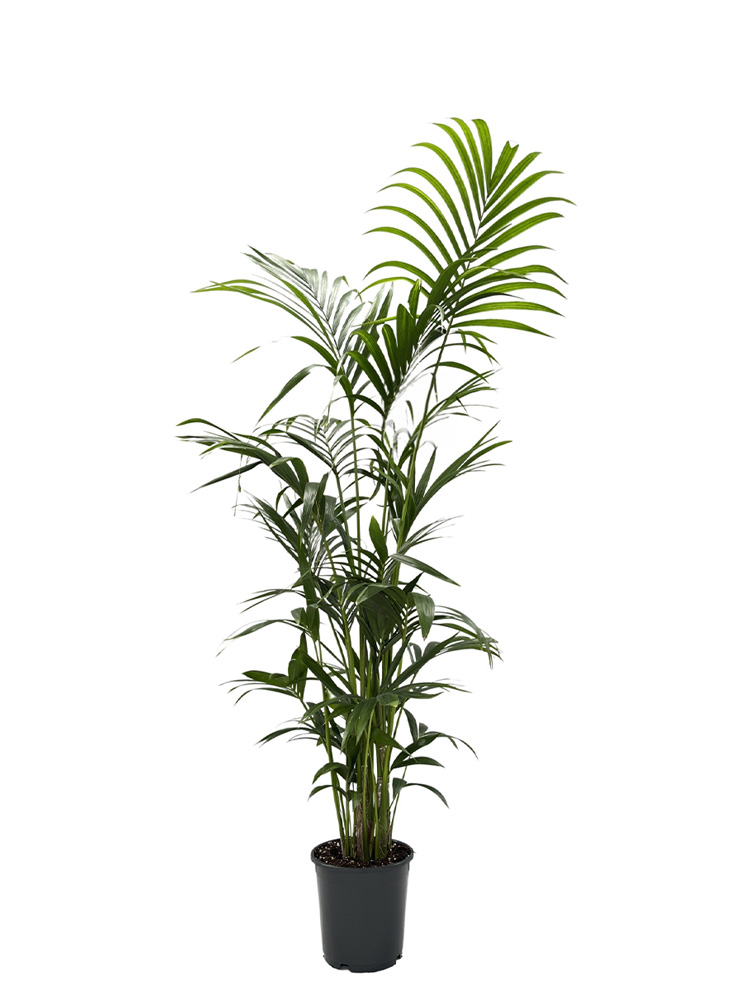
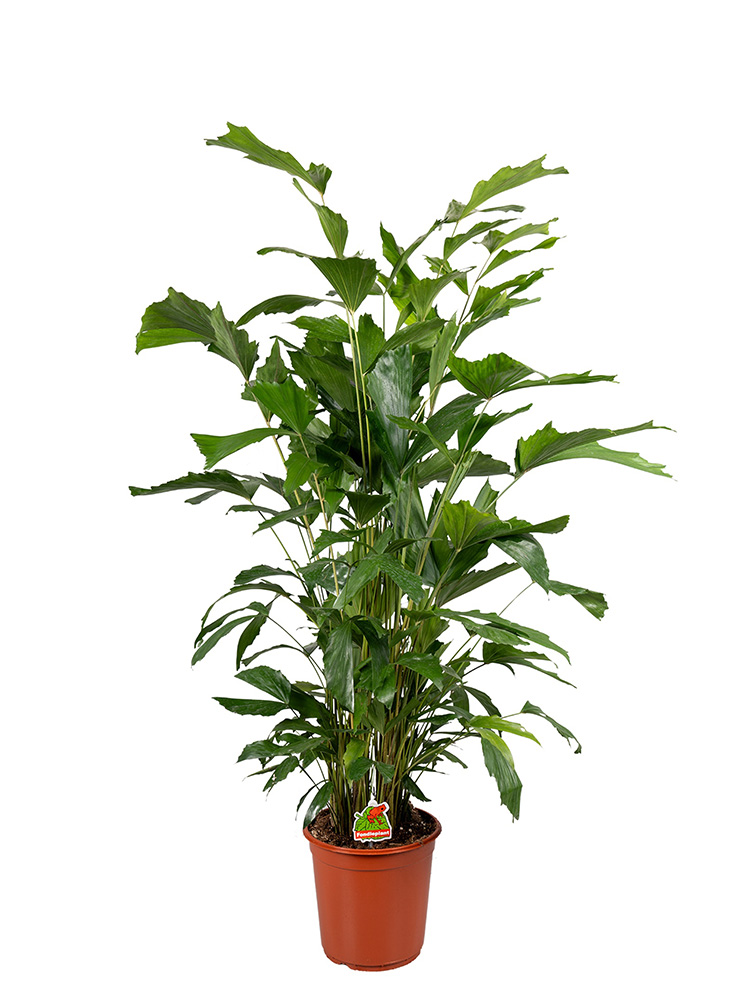
Originally the Kentia palm comes from the neighborhood of Australia. This probably makes you suspect that the plant likes a lot of sunlight, but nothing could be further from the truth. The Kentia palm prefers to be in the half shade. Despite its location requirement, the Kentia palm remains a tropical plant. Moving the plant outdoors is certainly possible, as long as you provide a place with enough (half) shade.
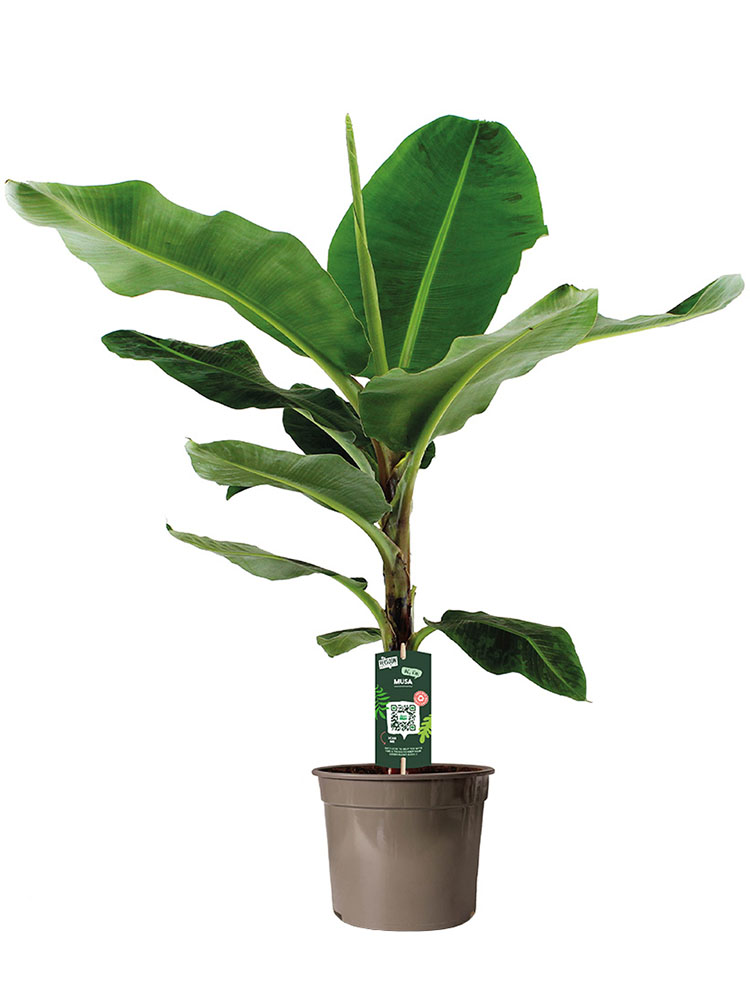
As you might have expected, the Banana plant is a tropical plant. Originally it comes from Southeast Asia and Australia. Just like in nature you can put it in full sun. Make sure that the Banana plant is sufficiently hydrated. This also applies to indoors of course, but outside the plant needs a little extra water.
The Strelitzia comes from the warm tropics of South Africa. In the Netherlands the plant can stand outside in the full sun. The more light the better! Give enough water so that the potting soil of the Strelitzia does not dry out. For a real jungle feeling combine the banana plant with the Strelitzia.
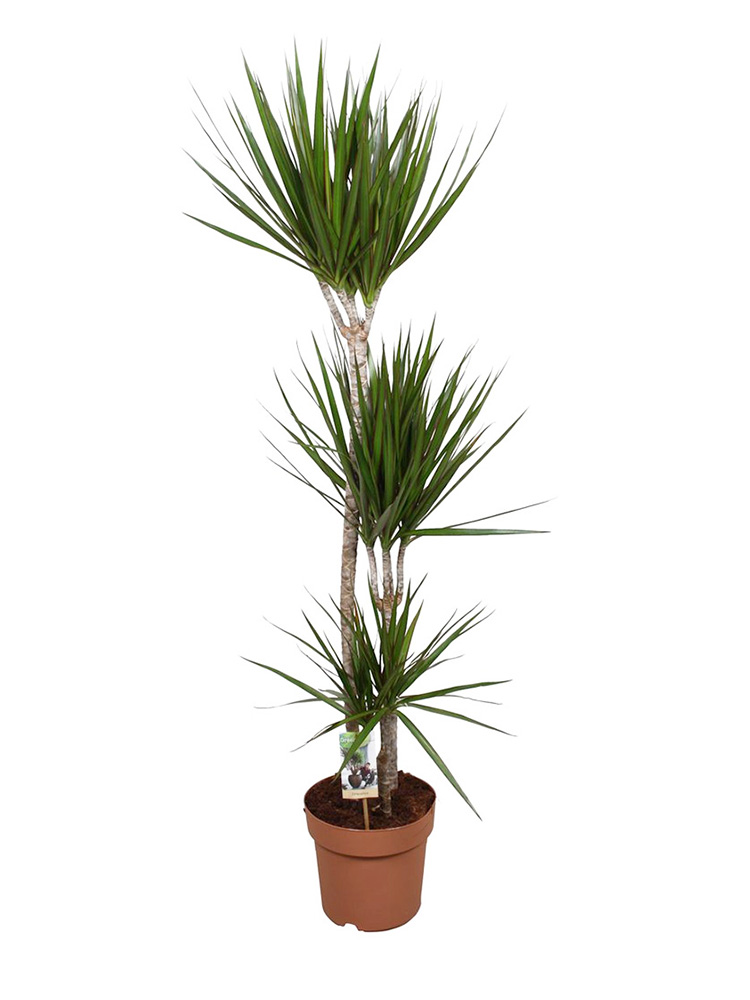
A plant that resembles a palm, but actually belongs to the Asparagaceae family. It is not a water drinker, but it can tolerate the sun very well. The whole day full sun is perhaps too much of a shock compared to indoor life. Put the Yucca in a place in the sun, but watch out with the amount of direct sunlight.
Ferns can also be put outside in the summer. In a number of areas in the Netherlands ferns already grow in nature. This is certainly possible with a Ferns that you have bought as a houseplant! Make sure the plant is in the semi-shade and visit regularly with the plant sprayer and watering can. He will be grateful to you!
The Bromelia family can also be put outside in the summer. The Bromelia Pineapple, or pineapple plant, is a true tropical addition to your garden. Put Bromeliads in the half shade and water them regularly. This will make them happy. And eventually you too!
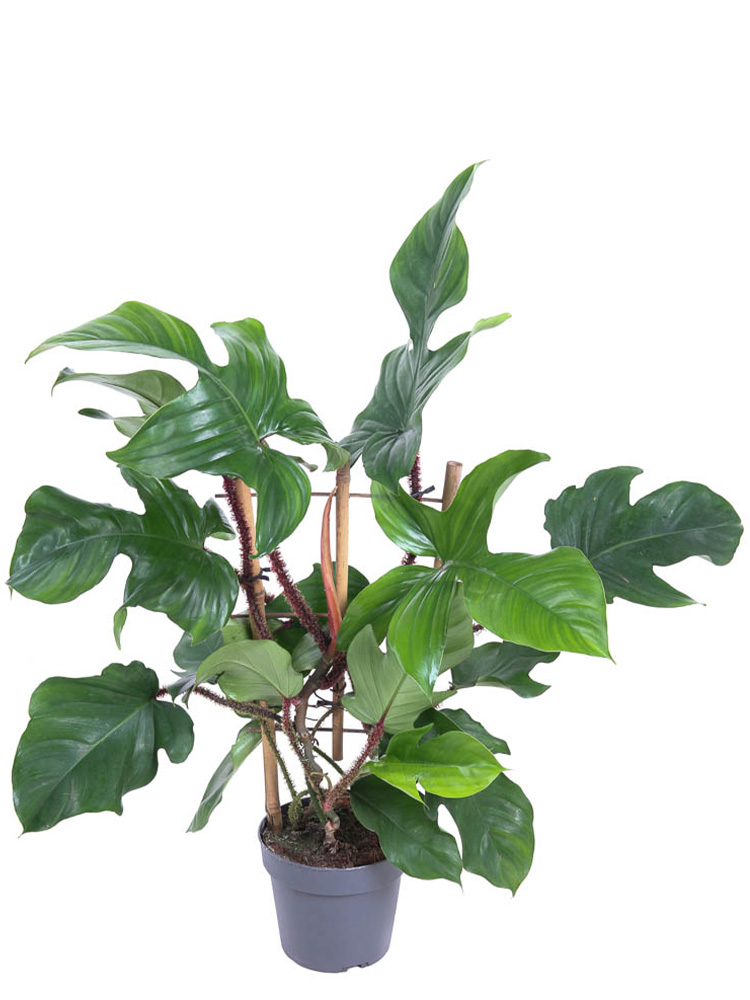
The Monstera originates from the tropics of Central and South America. A plant that can withstand severe weather conditions and loves a place outside. Like the Kentia palm, the Monstera prefers not to be in direct sunlight. Make sure the Monstera is under shelter, so that it gets a spot in the half shade. Other family members of the Philodendron family can also be placed outside. The same requirements apply as for the Monstera.
Do you have a small garden? Then you can always put cacti or succulents outside in the summer. They can be placed in full sun as well as half shade. Striking, even in summer the plants don’t need much water. Water is only needed when the soil has completely dried up. Watering a cactus or succulent plant will be needed around 2.5 to 4 weeks. How quickly the soil dries up depends on the size of the plant, location and the amount of water you give.