Customers rate us



Deliver to
Europe
 English
£
change
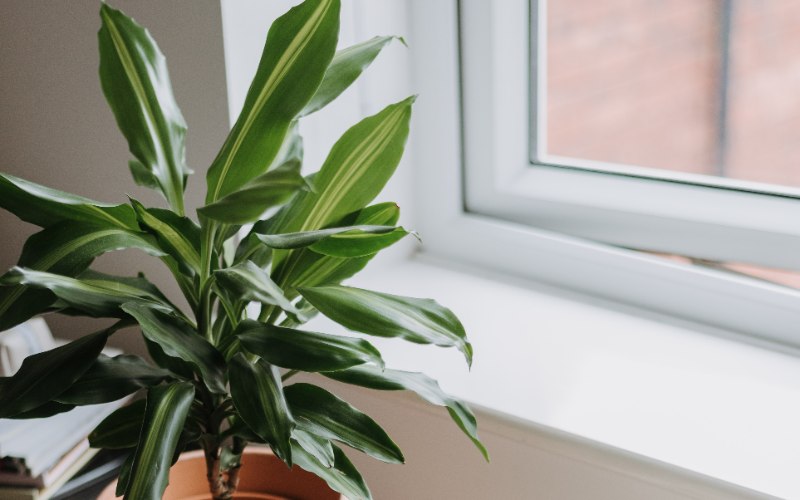
Whether you live on 2 floors high in an apartment, or in a two floor house. There are windowsills in every house. And what could be nicer than freshening up the windowsill with a plant? Not only you will be happy with that view, so will plants.
A plant on the windowsill avoids looking in and is very atmospheric. Besides the fact that window sills are not the same width, not every plant is suitable for a spot at the window. Which plants can be placed on your window sill? Read on!
An easy indoor plant that you can put on the windowsill is the Monstera. The plant grows both in semi-shade and in indirect sunlight. A location on the north side is perfect. Monstera’s can grow very large! So you can also choose to place Monstera cuttings on the windowsill.
The Scindapsus cannot withstand too much light. A spot in the half shade or with indirect sunlight is the best option. In a place with a windowsill to the north the leaf will become greener and darker.
A Zamioculcas is not so difficult about the amount of light he gets. Although a place directly in front of a window on the north is very good for him. Do not forget to rotate the plant regularly! Otherwise it will hang.
The Yucca also likes to get a lot of light. It prefers indirect light, because it doesn’t like direct sunlight. With indirect sunlight the leaves of the Yucca stay nice and hard. A window that is not facing north provides too much light.
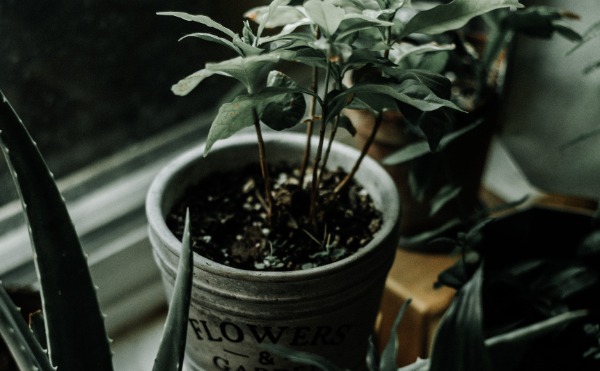
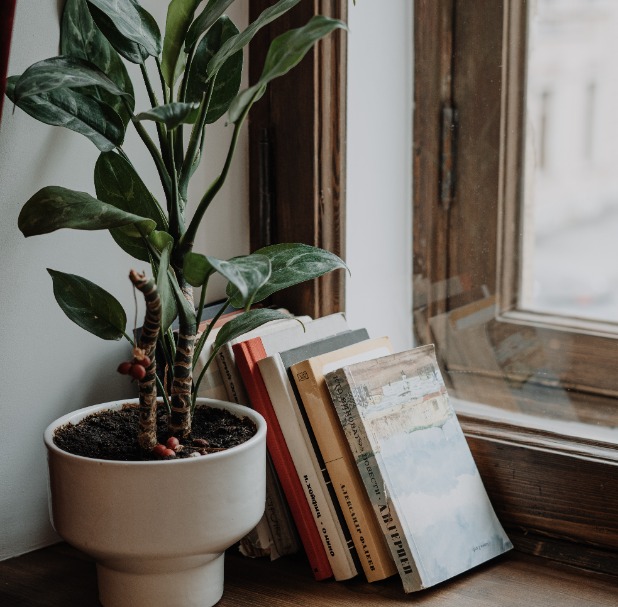
The Alocasia likes light very much. But too much direct sunlight the plant can’t tolerate very well. A spot on the east is therefore perfect. Here the plant gets at least 5 hours of sunlight, which is just enough. If the Alocasia doesn’t get enough light you will soon notice this. The plant gets very long stems so the leaves can get closer to the sunlight. You want to prevent this, because stems that are too long often break off.
The String of Pearls likes light very much, but doesn’t get along very well with direct sunlight. Besides placing it on the windowsill, you can also hang it next to the window.
A Ficus longs for a lot of light. Preferably no direct sunlight, because then his leaves can burn. A place on a windowsill facing south is not suitable, but the north, east and west is fine. If the plant only gets about 5 hours of sunlight, everything is fine.
Maybe a somewhat large plant, the Schefflera, but a small variety can be put on the windowsill. Scheffleras like to receive a lot of light, but hate direct sunlight.
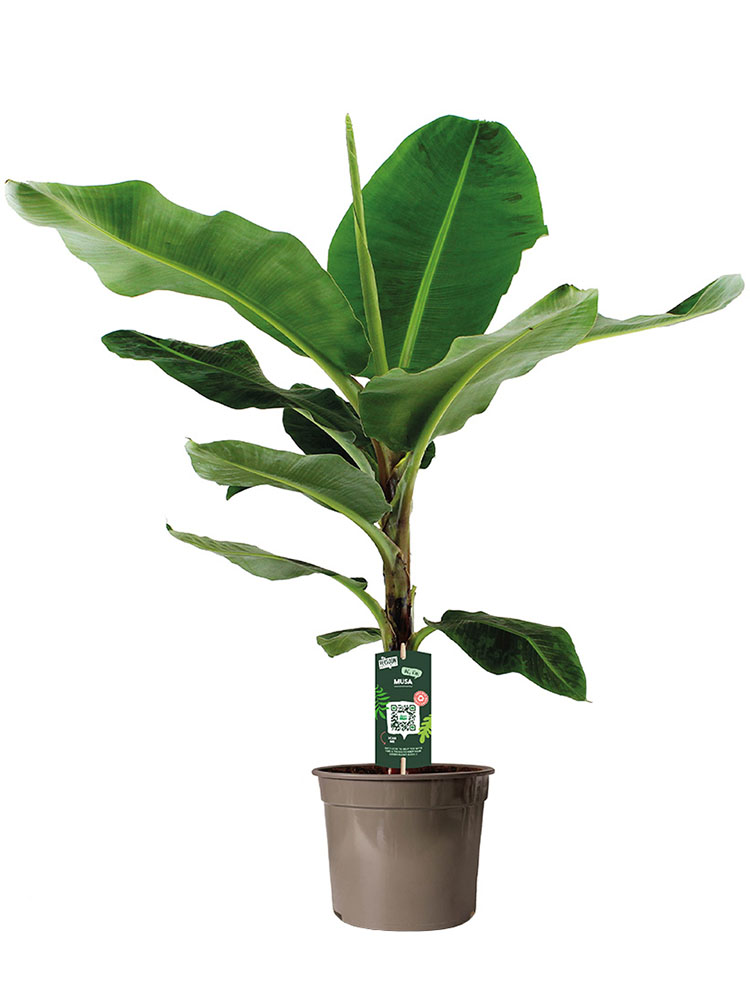
Okay, a large specimen of the Banana plant is not going to fit. We understand that! However, you can certainly put a cutting or small Banana plant on the windowsill. Banana plants, or as it’s officially called the Musa, come from tropical areas with lots of sunshine. A window sill facing south is therefore not a problem for the Banana plant.
An Aloe Vera is not so difficult about his location. Semi-shade or direct sunlight near a south-facing windowsill makes no difference to the plant. Would you like to place an Aloe Vera on your windowsill? Then let the plant get used to the lots of light. You cannot move the Aloe Vera from the half shade to a windowsill facing south. You have to do this gradually so that the plant can get used to it.
The Kalanchoe belongs to the succulents and can easily stand in direct sunlight. The fact is that succulents are not so difficult to place on the spot. Originally the plant comes from dry areas with desert, so it is certainly used to something.
One of the easiest plants remains the Sansevieria. It is a plant that adapts quickly and can therefore stand on a windowsill with lots of light.
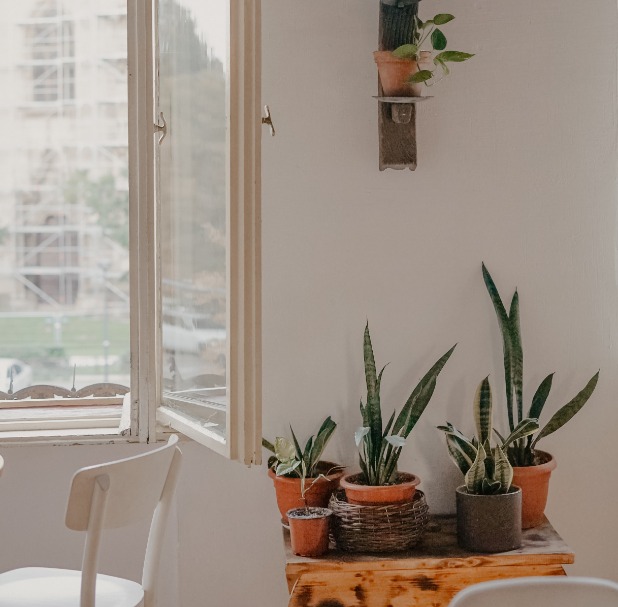
This plant needs a lot of light. But preferably no direct sunlight. A Beaucarnea even shows it when the plant gets too little light. In that case the plant doesn’t produce new leaves. If you place the Beaucarnea on a windowsill facing west, the plant will soon become fuller and larger.
The Rhipsalis grows naturally in a tropical climate. Thanks to its size the plant does not get direct sunlight, but indirect sunlight. Exactly what the plant gets at a windowsill on the west.
The handy thing about cacti is that they grow quite slowly. This allows you to put one or more cacti on the windowsill for a longer period of time. Cacti don’t mind the amount of light they get.
Crassulas like to stand in a place with enough light. A window facing west gives mainly indirect sunlight, but you could also carefully move the Crassula to a spot with direct sunlight.