Customers rate us



Deliver to
Europe
 English
£
change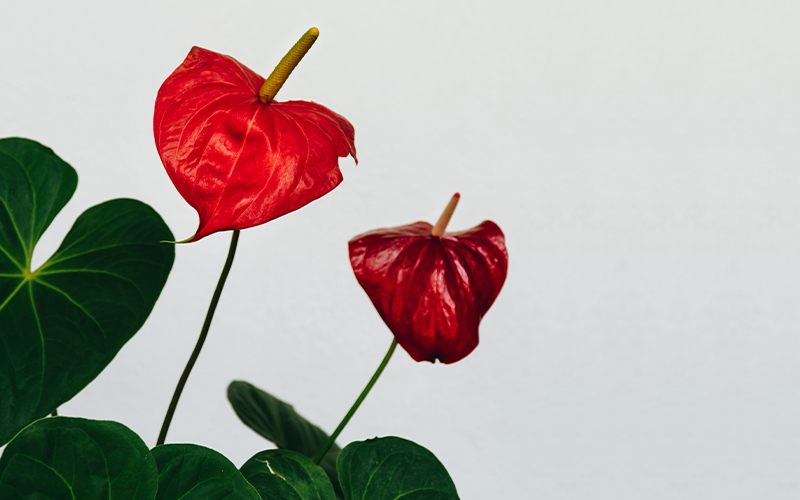
The Anthurium is an easy indoor plant. So easy, in fact, that you can leave most species in water instead of soil. This is called a hydroponic plant.
The nice thing about the Anthurium is that you can propagate the plant by tearing it apart.
Supplies
First clean the knife you might be using.
Keep the knife under hot water and clean them well. This prevents you from unnecessarily transferring bacteria during the propagation.
Do you happen to have disinfectant or pure alcohol? Disinfect the tools after using hot water. Let's get away with those bacteria and fungi!
Lay down an old towel.
Then remove the plant from its pot. Put the plant on a towel, so you can reduce the mess. Shake the plant so that the old potting soil comes loose.
Think about how many cuttings you would like to have first.
Then carefully tear the plant apart in the requested amout. It is important that the cuttings have their own roots.
Isn’t tearing easy? Then take the knife and cut the root ball apart.
When you've got your cuttings you can repot them in your own pot. Make sure you use fresh potting soil. Fresh potting soil contains nutrients that the cuttings need to become stronger.
Place the cuttings in a spot with indirect sunlight, and keep the soil slightly moist.