Customers rate us



Deliver to
Europe
 English
£
change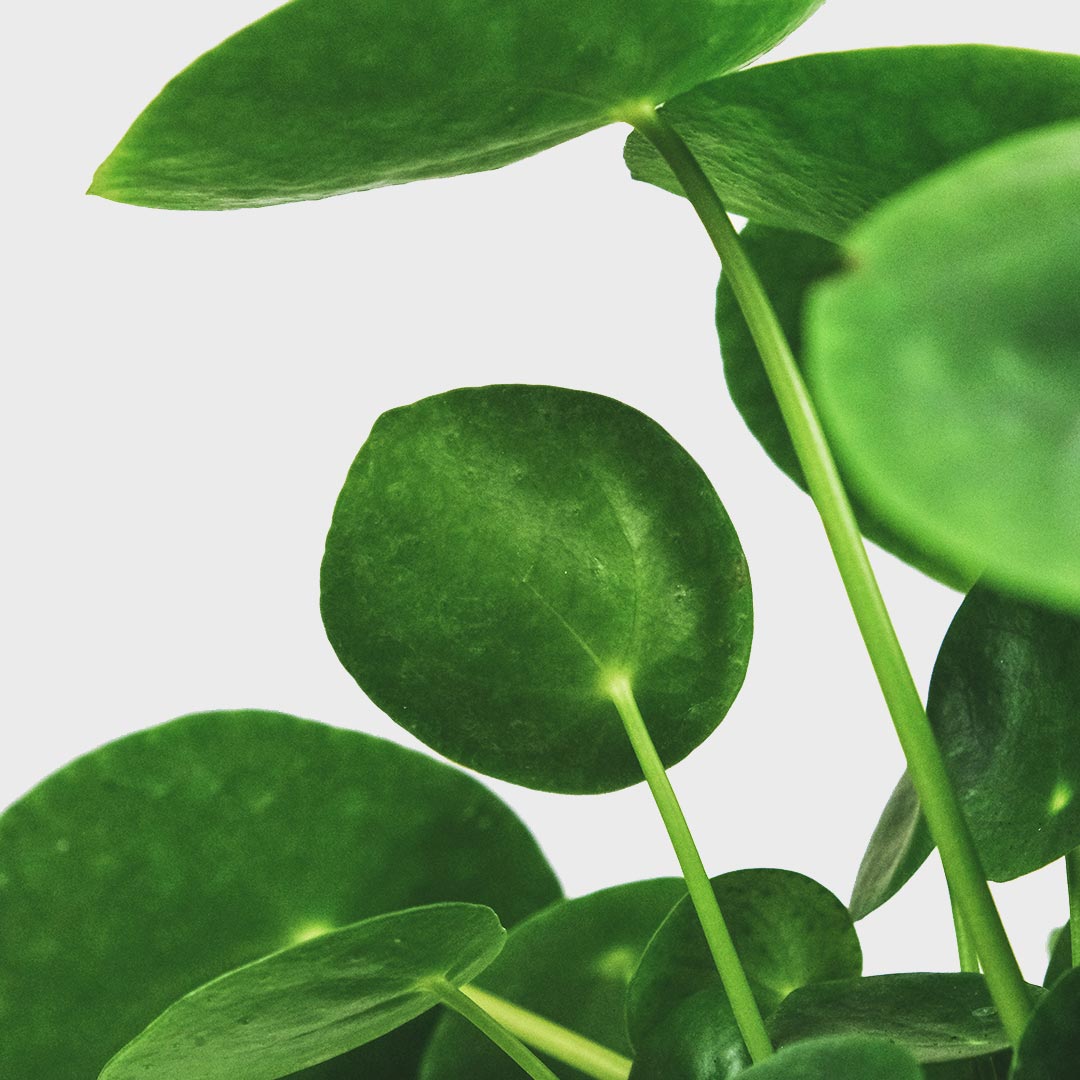
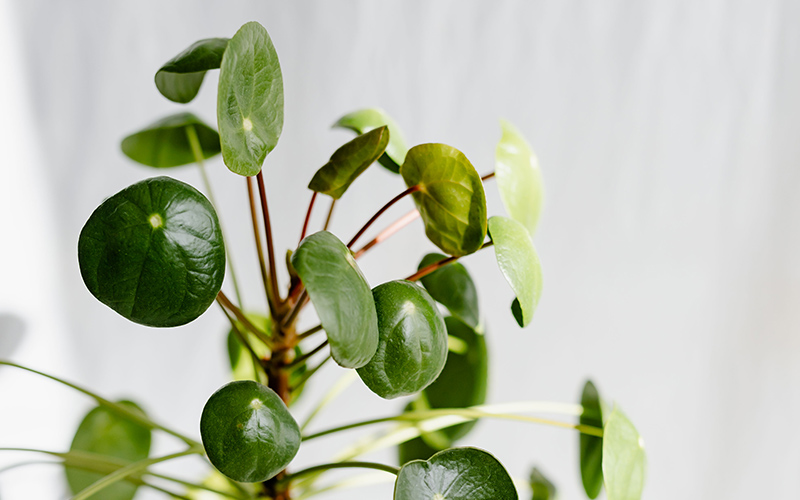
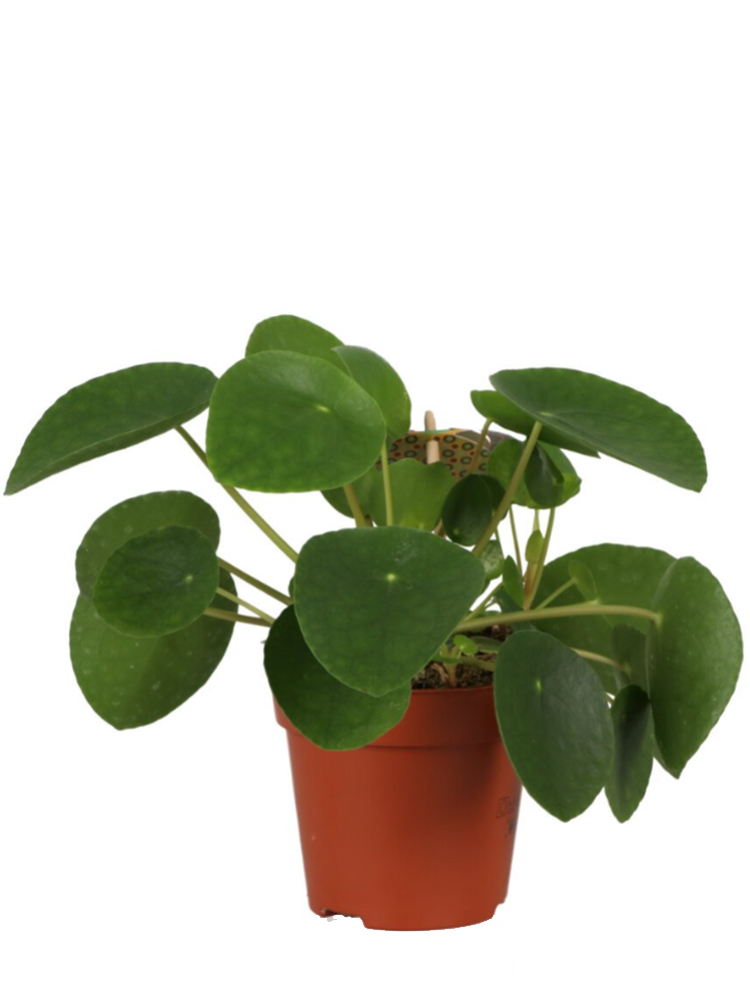
The Chinese Money plant is perhaps the biggest babymaker there is. This indoor plant is easy to maintain. It can also easily create more specimens.
Is your Pilea, as the plant is officially called, already growing out of its pot? Then it is time to take out the scissors!
Supplies
First clean the scissors you might be using.
Keep the scissors under hot water and clean them well. This prevents you from unnecessarily transferring bacteria during the propagation.
Do you happen to have disinfectant or pure alcohol? Disinfect the tools after using hot water. Let's get away with those bacteria and fungi!
First dig out the Pilea. Both the mother plant and the young plants. It is best to take the Pilea out of its decorative pot and remove the potting soil. By digging out the plant and the cutting you reduce damage to the roots, the cutting itself and the mother plant.
Then carefully remove the shoot(s) from the mother plant. Do this as close to the mother plant as possible. If this is not easy, you can also cut the shoot from the mother plant with scissors.
Do you happen to have cutting powder at home? Then you can apply the cutting powder to the ‘open wound’ of the cutting. Let the powder dry well!
Don’t have any cutting powder? No problem. You can also easily propagate without. Although the use of cutting powder can stimulate root growth. So it is an interesting option to consider.
Place the cutting(s) in a vase with water. When the lower leaves touch the water, it is best to cut them off. If you do not cut off the lower leaves, they may rot.
Change the water of the vase once a week. After two weeks you can detect root growth on the cutting.
When the roots have developed to about 10 cm, you can repot the cutting. Move the cutting from water to an ornamental pot with fresh potting soil.