Customers rate us



Deliver to
Belgium
 English
£
change
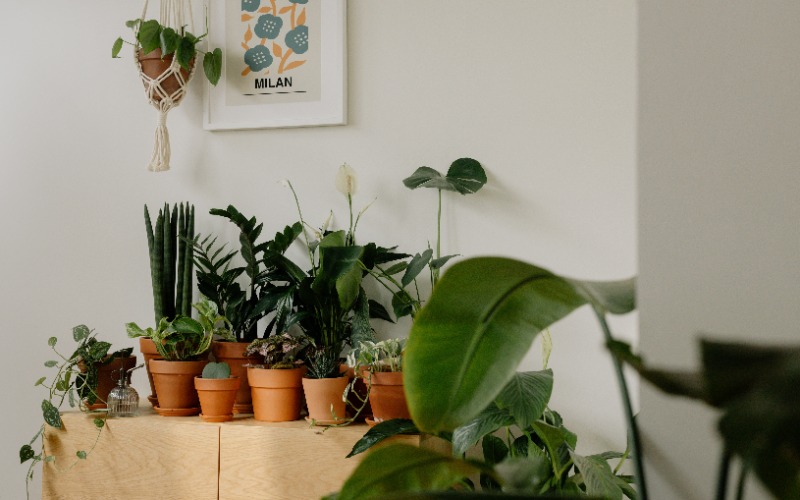
Have you noticed small, sluggish flies circling around your plant pots? They hover around the leaves, multiply near the roots, and seem to cheerfully take flight as soon as you water your plants. These are fungus gnats, also known as sciarid flies and March flies. The official name for fungus gnats is Bibio Marci.
Fungus gnats can create annoying situations, but fortunately, there are several methods to combat them. Although getting rid of fungus gnats can be a challenge since they are quite persistent, with the right approach, you can tackle them yourself!
While fungus gnats resemble fruit flies, there are slight differences that set them apart. Both types of flies are small, fly slowly, and have a dark black colour. However, there is a crucial distinction! While fruit flies feast on fruit, vegetables, and other organic materials, fungus gnats stay away from these.
Fungus gnats have a strong preference for plants. They are attracted to moist soil and rotting roots. If your plant is suffering from root rot, fungus gnats will often indicate this problem.
An adult fungus gnat has a lifespan of only 1 to 2 days. That's incredibly short! This might suggest that the problem of fungus gnats around your plants will quickly disappear, but unfortunately, that's not the case. Why is that? Well, a single fungus gnat can lay about 200 larvae at a time.
If the plant's soil is very moist, these larvae will lay new eggs right away because they find that moist soil quite pleasant. This can lead to a significant infestation, despite the short lifespan of fungus gnats. So, getting rid of fungus gnats is not a simple task. You'll understand that it's a problem you should take seriously!
Start by thoroughly inspecting all your plants. Don't skip any plants. It's important to get a clear overview of which plants have fungus gnats. Isolate all the plants with fungus gnats from the healthy ones. By doing this, you prevent the fungus gnats from spreading to plants that are free of flies. This limits their access to more soil for laying eggs, helping to control the infestation.
For the first 2 weeks, refrain from watering your plants to limit the number of fungus gnat larvae and eggs. By not watering, you dry out the soil, reducing the available space for egg-laying. Additionally, reducing water also helps prevent or minimise root rot.
In addition to withholding water, you can choose to spread sand on top of the soil. Most fungus gnats cannot escape through the sand. This includes the larvae, as they find it difficult to move through the dense sand.
A tip we received from a reader is to sprinkle cloves on the plant's soil. Then, water the plant so that the cloves become moist. After about 10 days, you'll notice the fungus gnats disappearing. An alternative approach is to boil cloves in water and use the cooled water for watering.
If you happen to have an open bottle of wine, you can pour some of it into a container. This may seem wasteful, but it can actually help get rid of fungus gnats.
By pouring wine into a container, you can ensure that the fungus gnats drown in it. They are attracted to the scent of wine! Cover the container with plastic wrap and poke a few small holes in it to prevent the fungus gnats from escaping.
In addition to wine, fungus gnats are also attracted to the smell of vinegar. You can use apple cider vinegar or balsamic vinegar. Pour the vinegar into a container, and, just like with wine, cover the container with plastic wrap and poke holes in it. This allows the fungus gnats to fly to the vinegar but makes it difficult for them to escape.
If reducing water doesn't prove effective against the fungus gnat infestation, nematodes may be a good natural option. Nematodes are worms that love to prey on fungus gnat larvae. They reduce the larval population, eventually leading to the demise of the entire infestation. Once the fungus gnats are gone, the larvae also have no source of food, causing the nematodes to die off as well. Over time, you won't encounter either of these insects.
You can purchase nematodes online or at stores. We have had a positive experience with Ecostyle nematodes.
Yes! The best way to prevent fungus gnats is to reduce watering. Fungus gnats are most attracted to moist soil and also thrive in conditions with root rot. By not overwatering your plants, you not only minimise the chances of fungus gnats but also reduce the risk of root rot.
You can also get fungus gnats by repotting a houseplant with old potting soil. Used potting soil may harbour undetected pests, especially if it's stored in a moist area. You may not immediately notice any pests or eggs in the potting soil, but within a few weeks, more and more flies will emerge from the soil. Therefore, always repot plants with fresh potting soil or use potting soil that has been properly sealed and stored in a cool, dry place.
Absolutely! There are sticky traps available that you can insert into your potted plants' soil. These traps are brightly yellow-coloured, which attracts fungus gnats. Since the traps are very sticky, the fungus gnats become stuck to them, preventing them from flying around your home in search of new places to lay eggs.